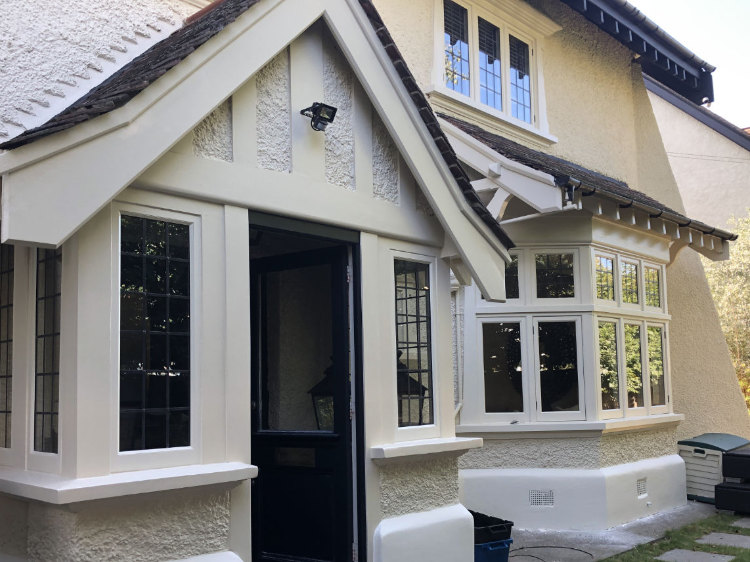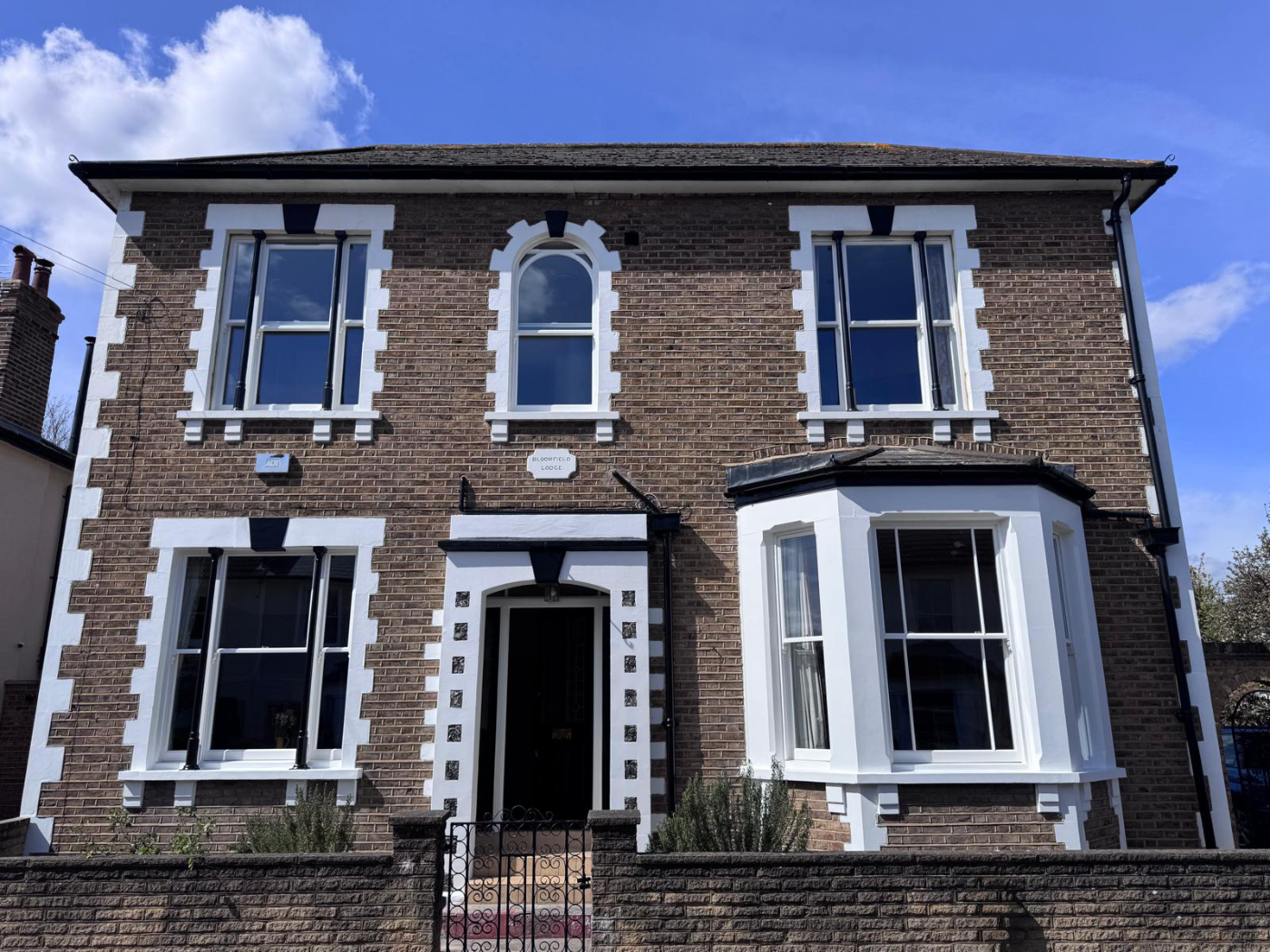


Woodland of Kingston manufactures bespoke timber windows and doors for Richmond’s period homes. Its leafy streets are lined with Georgian, Regency, Victorian and Edwardian houses, many of them listed or within conservation areas. Original sash windows, period doors and glazing details are a large part of their appeal. Our workshop sits just the other side of Richmond Park in Kingston, and in nearly five decades we have made windows and doors for hundreds of Richmond homes. Each is made for the building it is going into, preserving its character while delivering the thermal, acoustic and security performance families expect today.
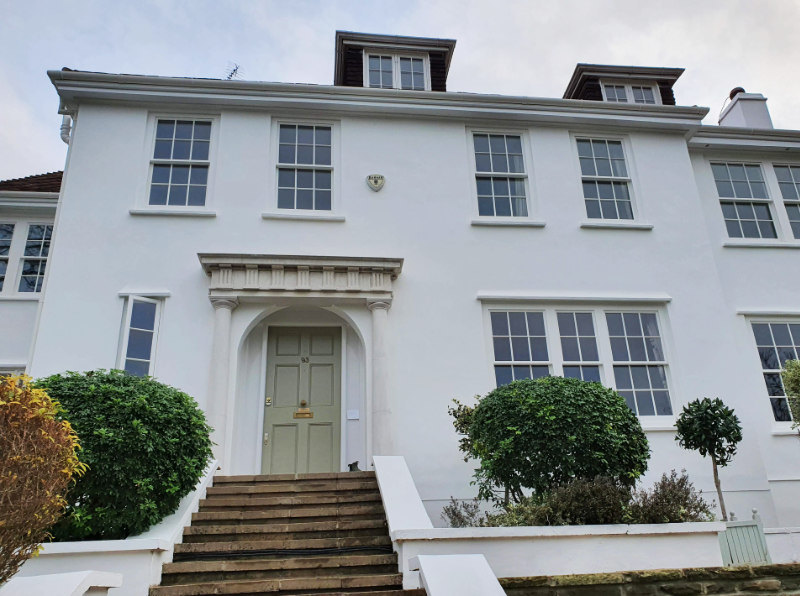
Sash windows define much of the character of Richmond’s Georgian and Victorian houses. We reproduce original glazing patterns, moulded profiles and frame proportions. We then add slim heritage double glazing, modern weather seals and secure locking so the windows perform as well as they look.
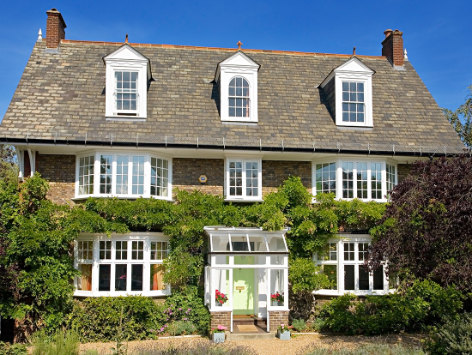
Many Richmond properties were built with casement windows, from Edwardian villas to Arts and Crafts homes like our project in East Sheen. Every casement is made to order. That means we can reproduce leaded lights, bespoke stained glass and unusual frame details rather than working from a standard range.

Our workshop in Kingston upon Thames is a short drive from Richmond. We survey each property in person, then manufacture every window and door to order. Being close by makes it easier to get the details right.
Conservation areas, Article 4 directions and listed status all affect what can be changed in Richmond. We consider the design of the building first and the window specification second.
We have been making windows and doors for almost fifty years, including for hundreds of homes across Richmond. That experience spans sash windows, stained glass and period doors, from conservation-area properties to listed buildings.
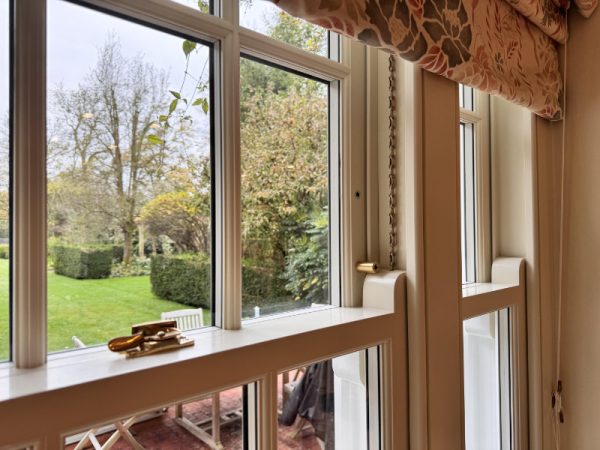
Richmond sits beneath the Heathrow flight path, so acoustic performance matters as much as thermal efficiency. We combine acoustic glass and seals with high-performance double glazing, built into frames of FSC certified Accoya timber. Accoya is durable and dimensionally stable, yet still allows traditional profiles and mouldings to be made in timber, so the windows look right for the property.
There isn’t a single solution for replacing windows in an older property. Sometimes the aim is to reproduce an original window as faithfully as possible. On another property there may be scope for subtle changes that bring in more light, open up views or make everyday use easier while remaining sympathetic to the building. Either way, the new joinery should look as though it belongs there.
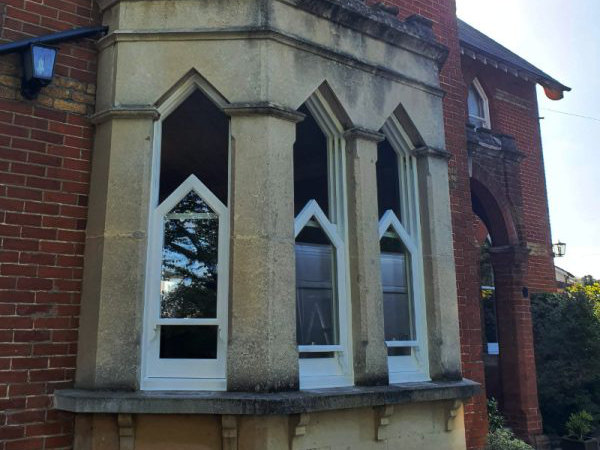
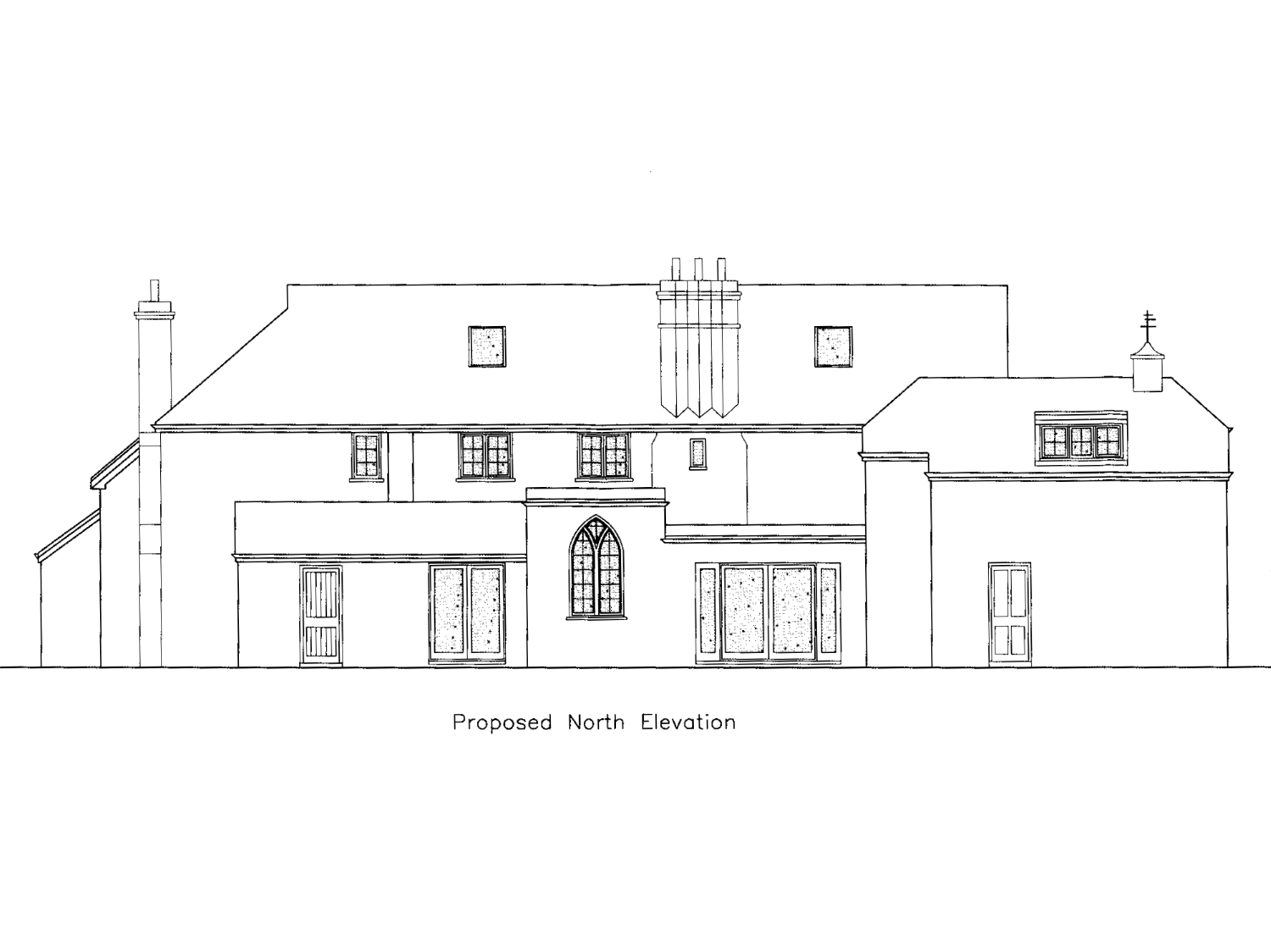
Many Richmond properties are listed or sit within conservation areas, and some are covered by Article 4 directions. We look closely at existing mouldings, glazing bars, opening styles, glass and ironmongery before proposing a design. We can also provide the window and door information needed to support a planning or Listed Building Consent application.
Often, yes, but the right approach depends on the property and the controls that apply. Changes to materials, glazing patterns, profiles or the appearance of principal elevations may need particular care. An Article 4 direction can remove permitted development rights that would otherwise apply. It is sensible to establish the planning position before finalising the window design. Read our full guide to replacing windows in a Richmond conservation area.
Sometimes, but alterations that affect a listed building’s special architectural or historic interest will normally require Listed Building Consent. Repairing and retaining historic joinery may be preferred where it is viable. Where replacement is accepted, profiles, glazing bars, glass and ironmongery can all be important.
It can be possible, but no single specification suits every heritage property. Slim heritage double glazing can help retain finer glazing details and traditional proportions. For listed buildings, the acceptability of double glazing depends on the significance of the existing windows and the proposed design, so it is considered property by property.
They can make a noticeable difference. Acoustic glass, well-fitted seals and high-performance double glazing all help reduce noise from aircraft on the Heathrow flight path. The right specification depends on the property. In listed or conservation-area buildings, it needs to be balanced against the appearance of the windows.
Not always. Some projects call for faithful reproduction, while others allow carefully considered changes. At Gate House in Petersham, the glazing arrangement was simplified. The vertical bars were removed and the traditional horizontal through-bars were retained, giving the homeowner more light and clearer views.
Yes. Where appropriate, we can provide the window and door information needed to support a planning or Listed Building Consent application. At Gate House in Petersham, the proposed glazing-bar changes were worked through with the planning and conservation process until an acceptable design was agreed.
Yes. Because every window and door is made to order, we can reproduce original glazing patterns, moulded profiles, casement and sash proportions, leaded lights and stained glass. Our East Sheen project is an example. We reproduced the detailed joinery of an Arts and Crafts home while incorporating modern materials and double glazing.
Every window and door is manufactured at our workshop in Kingston upon Thames, just the other side of Richmond Park. We work across Richmond, East Sheen, Petersham and the surrounding areas on both period and contemporary properties.





2026 Woodland of Kingston Ltd
Woodland of Kingston, St Peters House, 6 Cambridge Rd, Kingston upon Thames KT1 3JY
Registered in England No: 3833894 VAT No: 217 3996 39
Website Design by Nadja